Namibia faces severe agricultural challenges that threaten food security and rural livelihoods. Our innovative solutions address these critical issues head-on.
Namibia's landscape is predominantly arid, with droughts worsening each year due to climate change, making traditional farming increasingly unsustainable.
Namibia imports 60% of its fresh produce, driving up costs and leaving communities vulnerable to supply chain disruptions and price volatility.
Youth and women face minimal agricultural opportunities as traditional farming becomes less viable, yet alternative solutions remain out of reach.
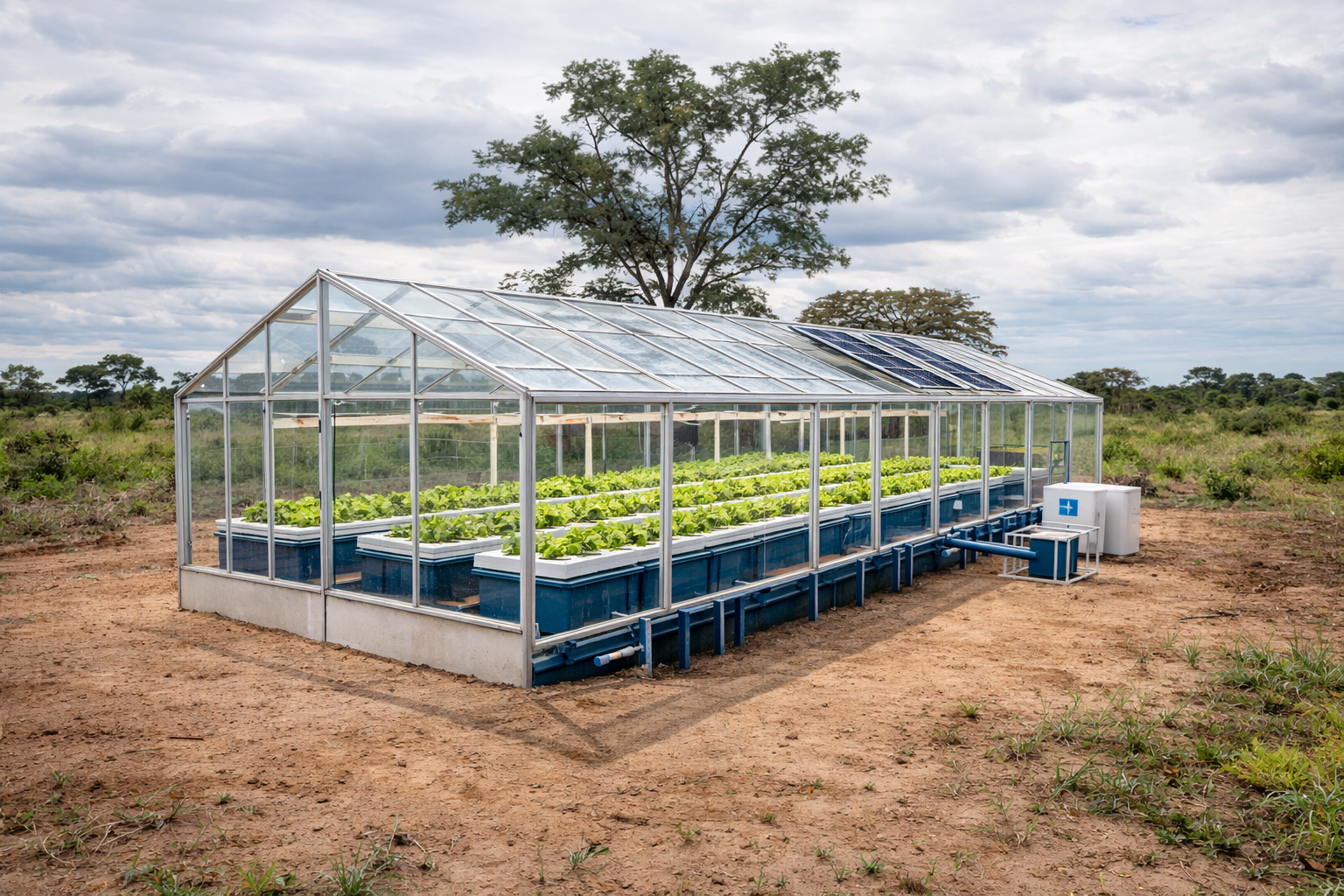
Hydroponics and aeroponics use 90-95% less water, enabling year-round, climate-resilient food production regardless of drought conditions.
Affordable, scalable towers specifically designed and manufactured for Namibia's extreme climate conditions, reducing import dependency.
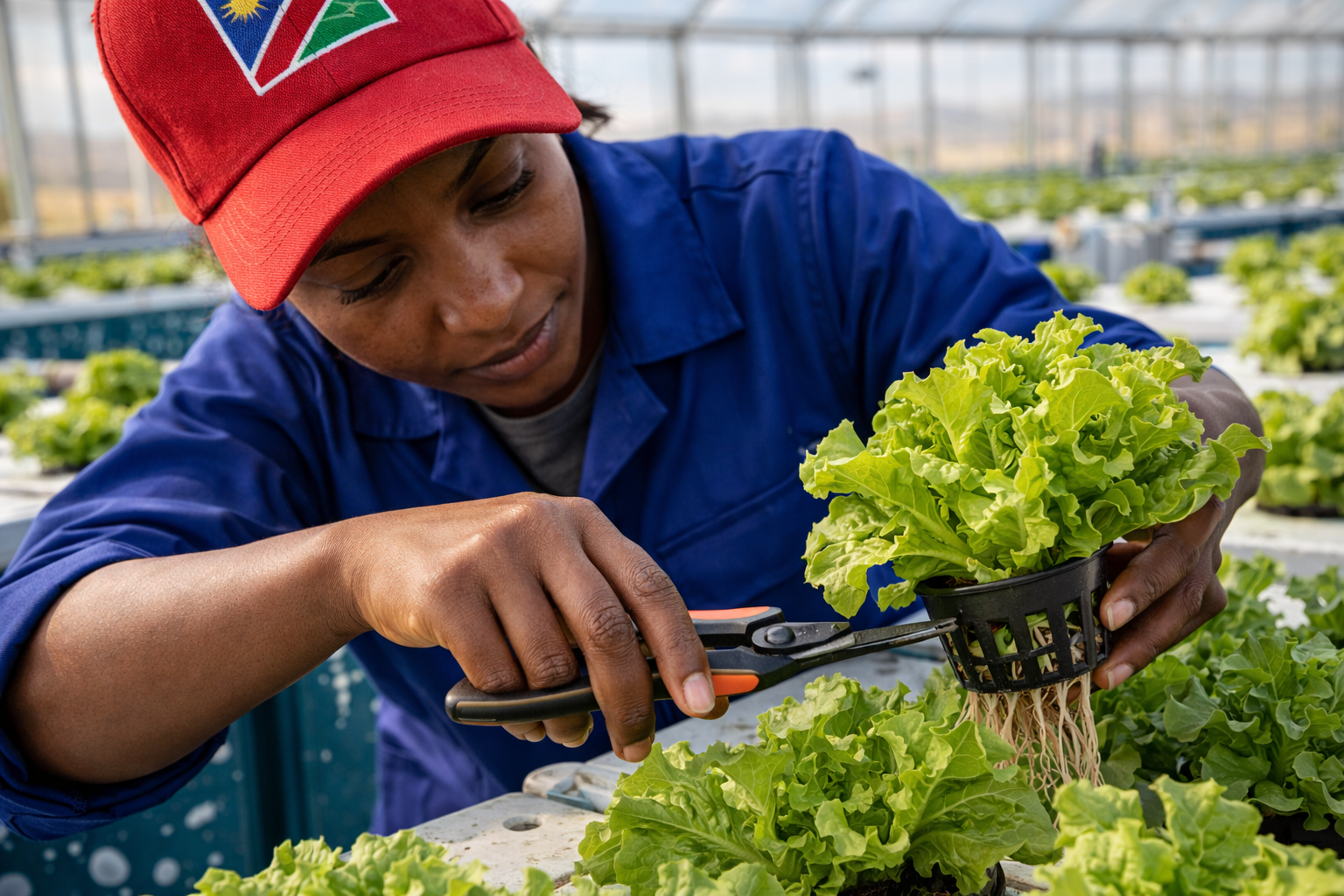
Comprehensive training programs equip new generations with marketable agribusiness skills, creating sustainable employment opportunities.
Integrated food production for both human consumption and livestock feed, maximizing efficiency and creating multiple revenue streams.
Our comprehensive pilot program focuses on measurable impact across multiple dimensions of agricultural transformation and community empowerment.
Deploy 30 aeroponic towers in target communities
Train 100+ community members in climate-smart farming
Establish a regional demonstration hub
Integrate AI-based sensors for monitoring water use and productivity
Create 30+ sustainable jobs in installation, maintenance, and training
A structured, phased approach to ensure sustainable impact and scalable growth across Namibia.
Establish the Soilless Farm Hub infrastructure, install initial aeroponic towers, recruit first cohort of trainees, and launch educational partnerships with local schools.
Expand tower deployments to partner communities, train second and third cohorts, establish mentorship networks, and refine AI-based monitoring systems.
Replicate the model across additional regions, consolidate data on impact metrics, publish findings, and develop partnerships for national-scale expansion.
Koinonia Impact's model is designed for long-term financial sustainability through diversified income streams alongside grant funding during the pilot phase.
Seeking initial funding from international development organizations, climate funds, and impact investors to establish the pilot hub.
Direct revenue from selling fresh produce to local markets, restaurants, and supermarkets; supplemented by animal fodder sales.
Fee-based training services for NGOs, government agencies, and corporate CSR programs seeking to replicate the model.
Revenue from selling locally-manufactured aeroponic towers and consulting services to farms and cooperatives across Namibia.
Join Koinonia Impact in transforming food security and economic opportunity across Namibia through climate-smart innovation.
Get In Touch